Summary
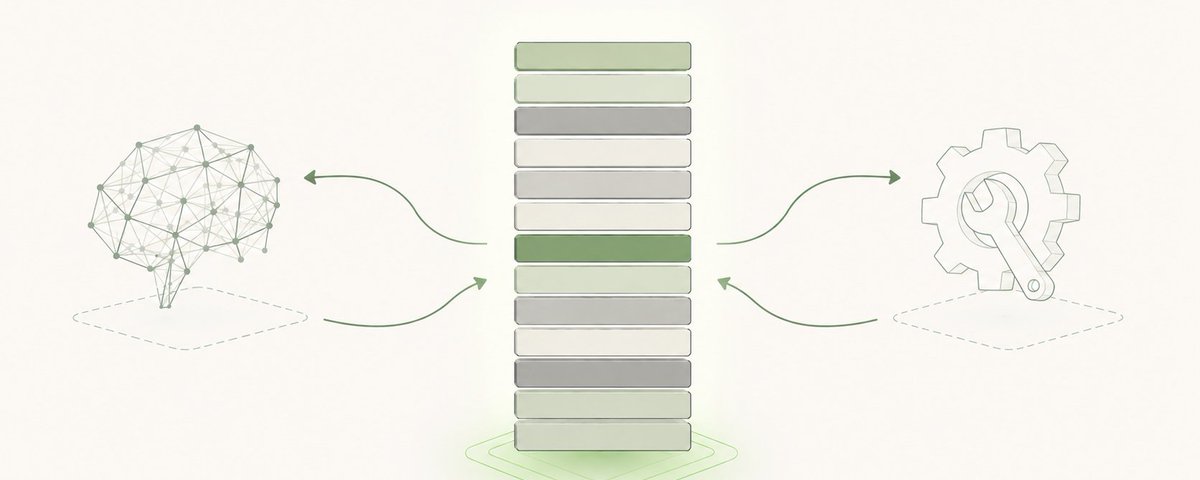
The identity of an agent — whether a video game character or an AI system — is not defined by its underlying hardware, software, or platform, but by the persistent log of its experiences, actions, and decisions. Just as a 100‑hour Skyrim character isn’t the game engine, the console, or the controller, an AI agent’s core is the accumulated record (the log) that captures its history and state. This reframes agent design: an agent’s continuity, character, and behavior are preserved in its log, not in the substrate that runs it.
Key Points
- An agent’s essence lies in its log (history of states and actions), not in the substrate that runs it.
- The same principle applies to game characters: they are defined by the narrative and choices recorded in the save file, not by the hardware or engine.
- For AI agents, the log of past interactions and learned patterns becomes the agent’s identity, enabling continuity and adaptation.
- Treating the log as the agent encourages persistence, auditability, and the ability to resume or fork agent behavior from any point.
- An agent remains “the same” across restarts, platform changes, or even when run by different engines — solely because its log is preserved.
Concepts
- Agent: An entity that acts in an environment, often autonomous or semi‑autonomous, whose identity persists across sessions.
- Log (Agent Log) : A persistent, sequential record of an agent’s history — actions, observations, decisions, and internal state changes. This is the single source of truth and the actual carrier of the agent’s identity.
- Agent Identity: The property that an agent remains “the same” across restarts, platform changes, or when executed by different engines, entirely because its log is preserved.